1. Stay out and call
Keep everyone out of the space and do not touch what you see. The team asks a few questions to plan the job.
Union City, PA · Erie County
Do not clean up drug items alone. In Union City, call (877) 812-4220 and a cleanup team can handle syringes, bags, foil and powders with protective gear, then disinfect the affected area.
If anyone is in danger, call 911 first. For a suicide crisis, call or text 988.
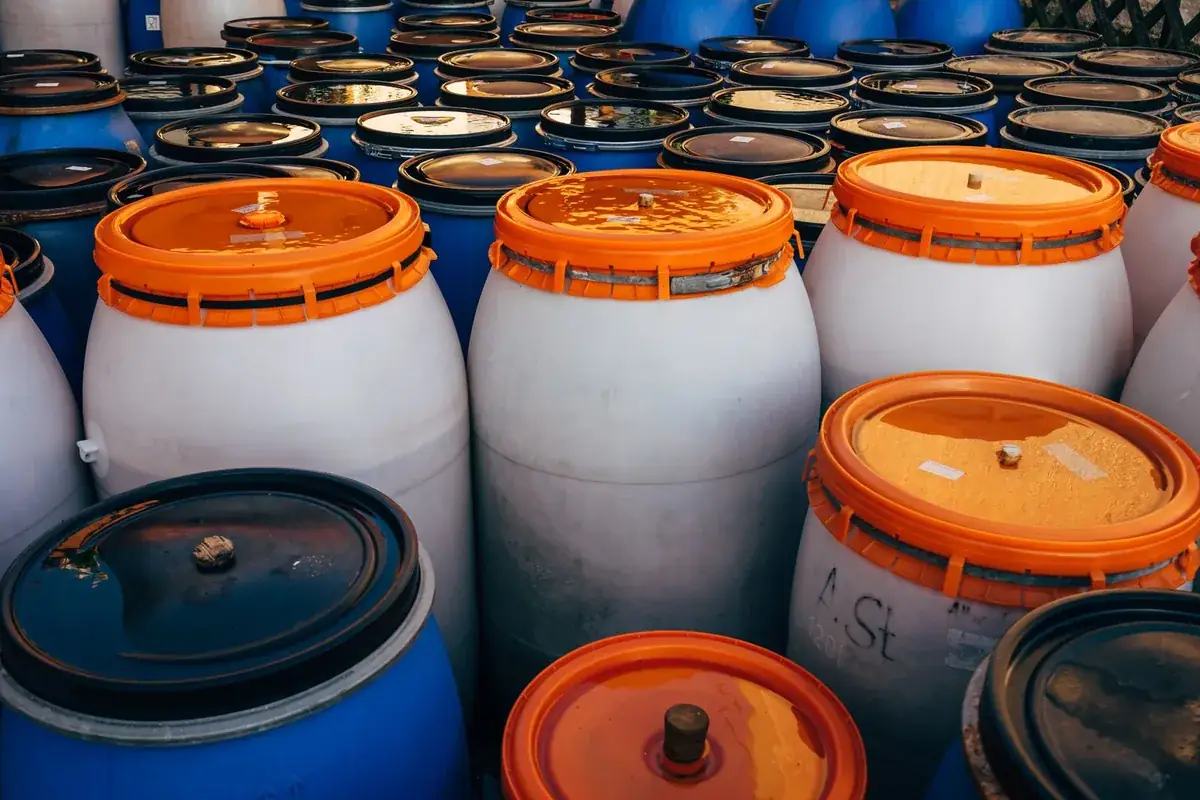
Paraphernalia removal is the first half of a drug use cleanup. Sharps go into puncture-resistant containers, other items are bagged and sealed, and everything is taken away as regulated waste.
For drug use cleanup jobs of any size across Erie County, call Union City Biohazard Cleanup Help and get the work done. In Union City, that can mean a single drawer of items or a house that needs thorough work, whatever you are facing.
Renters make up about 42% of households in Union City, so landlords often need paraphernalia cleared between tenants. Tell the doctor where the exposure happened. Lecom Health Corry Memorial Hospital, about 8 miles from Union City, can evaluate people who may have been exposed.
What drug paraphernalia cleanup covers:
Keep everyone out of the space and do not touch what you see. The team asks a few questions to plan the job.
Items are removed room by room, so contaminated materials are not dragged through clean areas.
Floors, furniture and fixtures are cleaned. Porous materials that hold residue are cut out or removed.
Sealed waste is hauled for proper disposal, and a record is available for the owner on request.
The cost of drug paraphernalia cleanup in Union City, PA depends on the amount of material, how it is packed and how it is hauled.
Timing can affect the plan. A same-day need before a new tenant arrives may be scheduled differently from a job booked ahead.
| Type of job | Typical range |
|---|
These ranges come from published cost guides () and are not a quote for Union City. Price drivers include amount of material, whether residue is present, surfaces affected, waste disposal. For a real number, call (877) 812-4220.
Often, yes. Many teams can arrive in an unmarked vehicle and work quietly. If privacy matters, ask about it when you call. The crew shares only what it needs to plan the work.
A careful cleanup removes the items and cleans the surfaces it covers. Testing is a separate step, and rules vary by place. Ask the team what it did and did not check, and ask the local health department what applies where you live.
Crews wear protective gear, remove sharps and loose items, and then clean hard surfaces with EPA-registered disinfectants. Porous materials such as carpet, padding or upholstery that took in residue may be removed. The team can explain what applies to your space.
The owner of the property usually pays at first. Lease terms and local law decide who is responsible in the end. A landlord, an attorney or a tenant rights group can say. Keep any record the cleanup team gives you, since a landlord or insurer may ask for it.
Sometimes. Some homeowners and renters policies cover cleanup after a covered event, and some limit or exclude claims tied to illegal activity. Check your policy, call your insurance company before work starts, take photos if you can, and keep every receipt.
Vehicles can hold syringes, residue and odor in seats, carpets and vents. Ask whether the team cleans vehicles and how soft materials are treated. Crews use the same protective gear and sealed containers as in a building.
Ask about discreet arrival in an unmarked vehicle if privacy matters.
Call (877) 812-4220